
START HERE
Read this in 60 seconds.
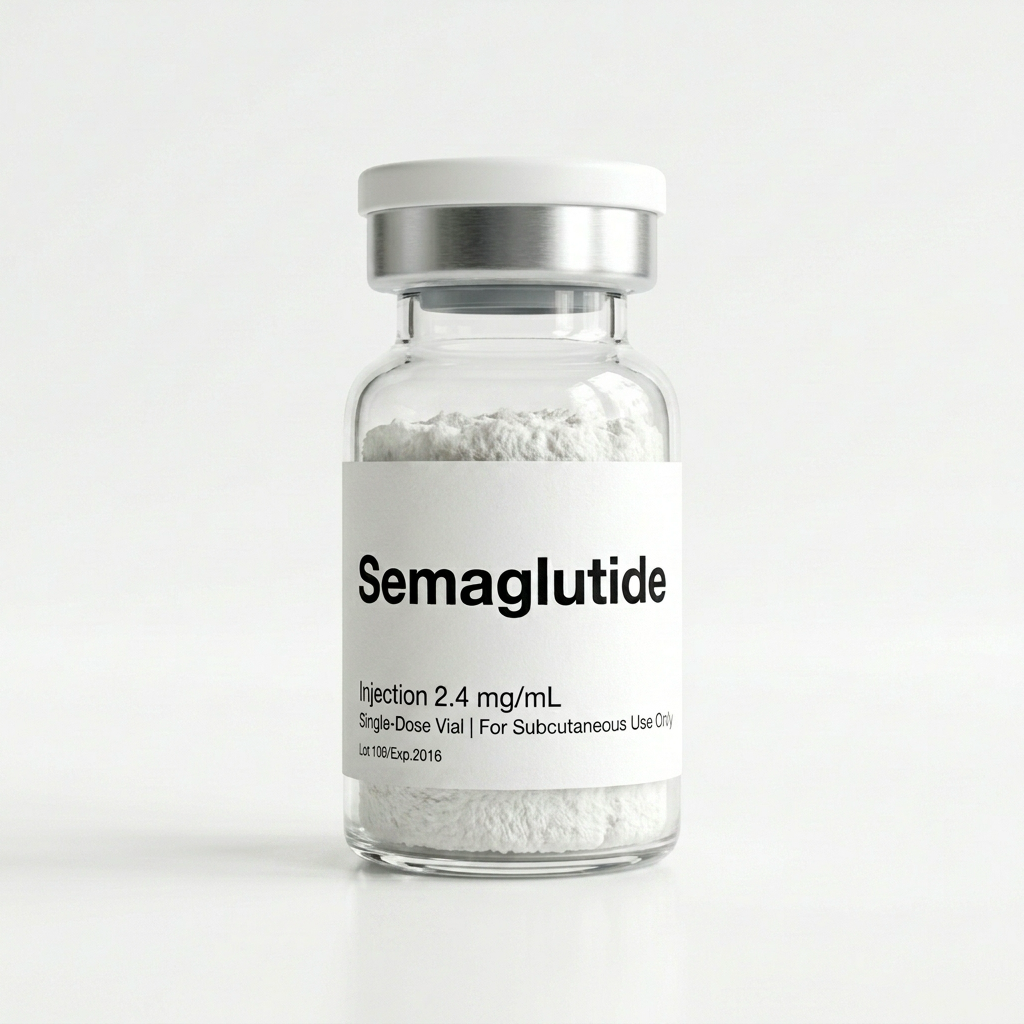
Semaglutide is the active ingredient in Ozempic and Wegovy, the weight-loss shot you've seen everywhere: TikTok, the news, maybe your doctor's office. Some people call it a miracle drug. Others say it's a quick fix and the weight comes right back. The truth sits in the middle. Here's what the science actually shows, one claim at a time.
YOU'LL LEARN, IN ORDER
- Is the science good?Yes, large trials
- Does it work?Proven for 3 things
- The short versionTL;DR
- Should I take it?Honest answer
- Where this is from8 studies
How we got to that verdict.
You've probably seen Semaglutide everywhere — Ozempic, Wegovy, Rybelsus — on TikTok, in the news, on the lips of people who lost 40 pounds in a year. You've also probably seen the skeptics: weight comes back when you stop, the studies are paid for by the company that makes it, the side effects are brutal.
Both takes have something to them. Semaglutide is the most rigorously studied weight-loss drug ever approved — over 50,000 participants across published trials, three FDA approvals (T2D, obesity, and CV risk reduction), and replicated 14-16% weight loss at the highest dose. It's also true that almost every Phase 3 trial was funded by Novo Nordisk, that two-thirds of lost weight comes back within a year of stopping, and that we don't have safety data beyond 4 years. Let's walk through what the evidence actually shows.
The research journey
Most weight-loss compounds don't make it past small human trials. Semaglutide cleared the entire research journey — lab studies, animal studies, small human trials, large multi-thousand-person Phase 3 trials, and finally regulatory approval. It's FDA-approved for Type 2 Diabetes (as Ozempic and Rybelsus), for Chronic Weight Management (as Wegovy), and as of March 2024 for Cardiovascular Risk Reduction in overweight/obese adults with established cardiovascular disease — that last approval based on the SELECT trial of 17,604 people.
Foundational Phase 3 trials in the STEP program covered 1,961 adults without diabetes 1, 1,210 with T2DM 5, 304 followed for 2 years 7, 338 in head-to-head against liraglutide 8, and 17,604 in the cardiovascular outcomes trial 2 — among others. An independent meta-analysis of 6 RCTs covering 3,962 participants 10 confirmed the pooled effect at -11.80% weight loss vs placebo.
One context worth knowing: almost every Phase 3 trial was funded by Novo Nordisk, with multiple Lilly authors. That's the standard FDA-approval pathway and it doesn't invalidate the data — the trials are large, well-designed, and consistent. But independent academic replication of the headline findings remains thin. The Qin meta-analysis 10 and the independent SEMALEAN body composition study 11 are the strongest non-Novo data points.
The honest bottom line
Semaglutide has the strongest human evidence base of any compound on this site. Over 50,000 participants across published Phase 3 trials. FDA-approved for three distinct indications. The 14-16% weight loss is real and replicated. The 20% MACE reduction in non-diabetic CVD patients is landmark. The glycemic improvement in T2D is class-leading.
The legitimate concerns are real too. Almost every Phase 3 trial was Novo Nordisk-funded with company authors. Trial populations skewed toward white women. We don't have safety data beyond ~4 years. Weight regain after stopping is substantial — two-thirds within a year — meaning this is functionally a long-term medication, not a course of treatment. GI side effects are common (~44% nausea), and gallbladder disease risk is ~2.6× elevated.
If your goal is meaningful weight loss, T2D management, or CV risk reduction (with established CVD), this is one of the most evidence-backed tools available — worth a real conversation with a provider. Just go in knowing the trade-offs: you're committing to indefinite use, you'll likely deal with GI side effects in the first months, and the long-term safety story past 4 years is still being written.
Sources
- STEP 1. Once-Weekly Semaglutide in Adults with Overweight or Obesity(2021)
- SELECT. Semaglutide and Cardiovascular Outcomes in Obesity(2023)
- SUSTAIN-6. Cardiovascular and Renal Outcomes (n=3,297, T2DM CVOT; 26% MACE reduction)(2016)
- STEP 1 Extension — Weight regain after stopping (n=327, off-treatment to week 120; ~2/3 of weight regained within 1 year)(2022)
- STEP 2 — Semaglutide 2.4 mg in T2DM (n=1,210; -9.6% vs -3.4% placebo at 68 wks; T2DM blunts response)(2021)
- STEP 4 — Withdrawal RCT (n=803; continued sema -7.9% vs switch to placebo +6.9%; ETD -14.8 pp)(2021)
- STEP 5 — 2-year long-term (n=304; -15.2% vs -2.6% placebo at 104 wks)(2022)
- STEP 8 — Head-to-head vs liraglutide (n=338; -15.8% vs -6.4%; ~2.5× greater weight loss)(2022)
- SURMOUNT-5 — Tirzepatide vs Semaglutide head-to-head (NEJM 2025; n=751; tirz -20.2% vs sema -13.7%, ~47% greater weight loss for tirz)(2025)
- Qin et al. 2024 — Independent meta-analysis (6 RCTs, n=3,962; pooled weight loss -11.80% vs placebo)(2024)
- SEMALEAN — Independent prospective study (n=115, 12 months); fat -18%, lean mass stabilized after initial decline, handgrip strength +4.5 kg, sarcopenic obesity prevalence dropped 49%→33%(2026)
- STEP 1 DEXA substudy (n=140) — total fat mass dropped significantly; lean mass dropped 9.7% absolute, but lean mass PROPORTION of total body weight INCREASED 3 pp (preferential fat loss)(2022)
Some links above point to PubMed search results rather than direct study pages where the original publication wasn't indexed (mostly for the company press releases that were never peer-reviewed). When that happens, the search query is scoped to the specific compound and topic.