Skin Rejuvenation Stack.
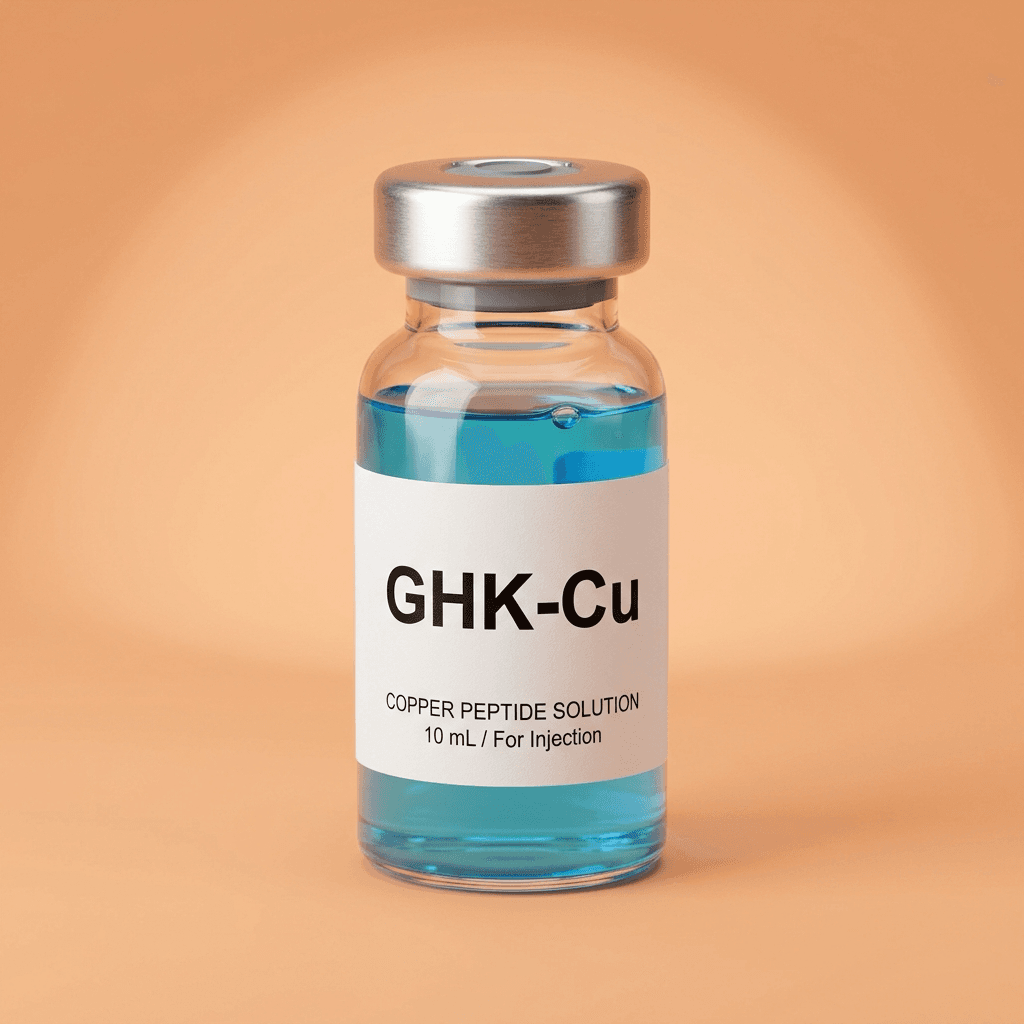
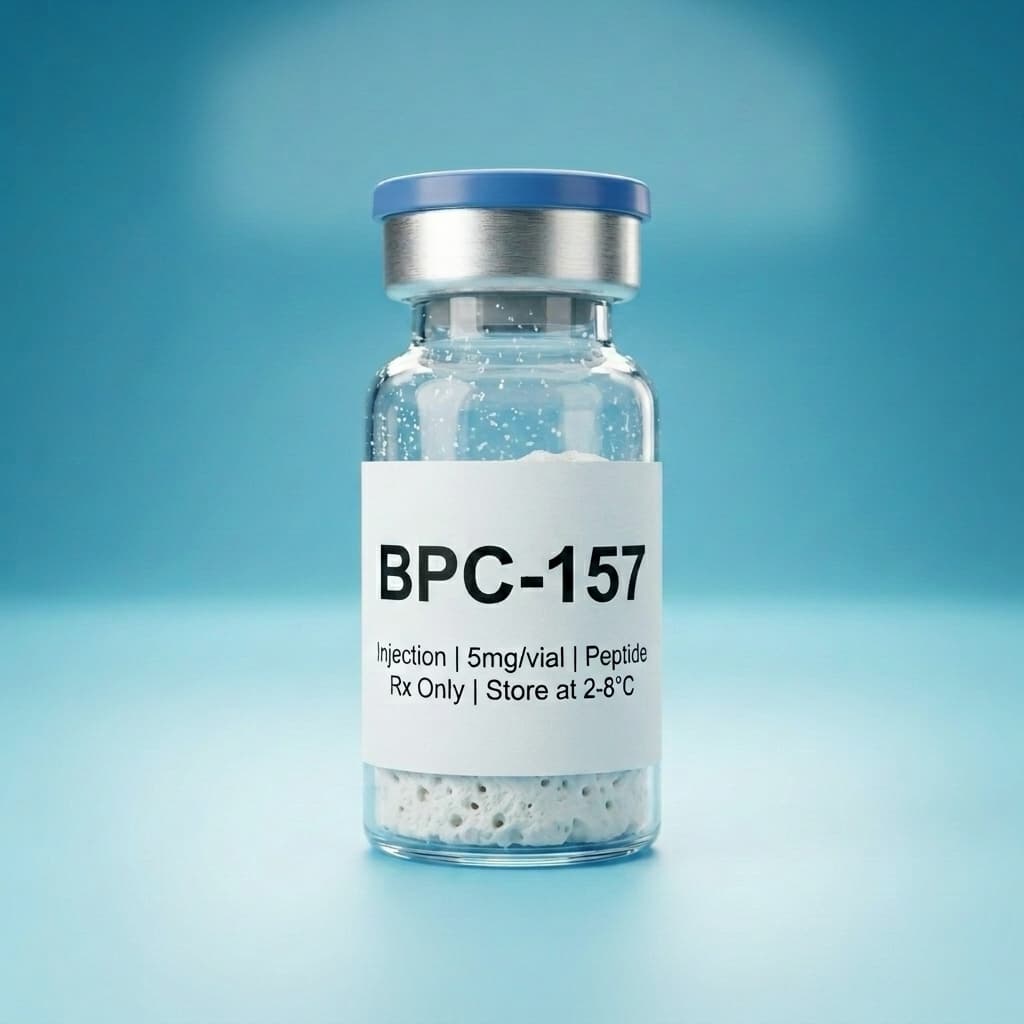
GHK-Cu rebuilds collagen and tightens skin. BPC-157 calms inflammation and speeds tissue repair. A common pair for anti-aging and wound healing.
Skin Rejuvenation Stack.
“The Skin Rejuvenation Stack”
GHK-Cu rebuilds collagen and tightens skin. BPC-157 calms inflammation and speeds tissue repair. A common pair for anti-aging and wound healing.
For education only.Combination protocols require medical supervision. The descriptions below are educational only — your provider designs the actual stack around your individual health history and goals. More.
Why these work together
GHK-Cu
- Rebuilds collagen and elastin
- Tightens and brightens skin
- Visible changes in weeks
BPC-157
- Calms inflammation throughout the body
- Speeds wound and tissue repair
- Supports the gut-skin connection
What's in this stack
Who this stack is for
Good fit
- •People focused on the look of their skin as they age
- •People recovering from cosmetic procedures or surgery
- •People with sagging skin or visible scars they want to fade
Not a fit
- •People very sensitive to injection-site reactions (GHK-Cu can sting or burn at the spot for a few minutes)
Typically prescribed
GHK-Cu
BPC-157
Dose
1-2 mg
Dose
250 mcg
Frequency
1x daily
Frequency
1x daily
Route
Under the skin
Route
Under the skin
Duration
6-8 weeks
Duration
6-8 weeks
Always follow your provider's instructions. These are general reference ranges, not recommendations.
What to expect
Week 1-2
Skin feels calmer and more hydrated
Week 3-5
Fine lines soften, scars start fading
Week 6-8
Noticeably firmer skin and improved tone
Individual results vary. These timelines come from clinical observation and community reports, not guarantees.